At a recent lunch meeting, our speaker Celina Chen took us on a fascinating journey along the Silk Road.
She has kindly sent us a short article inspired by her presentation.
Enjoy.
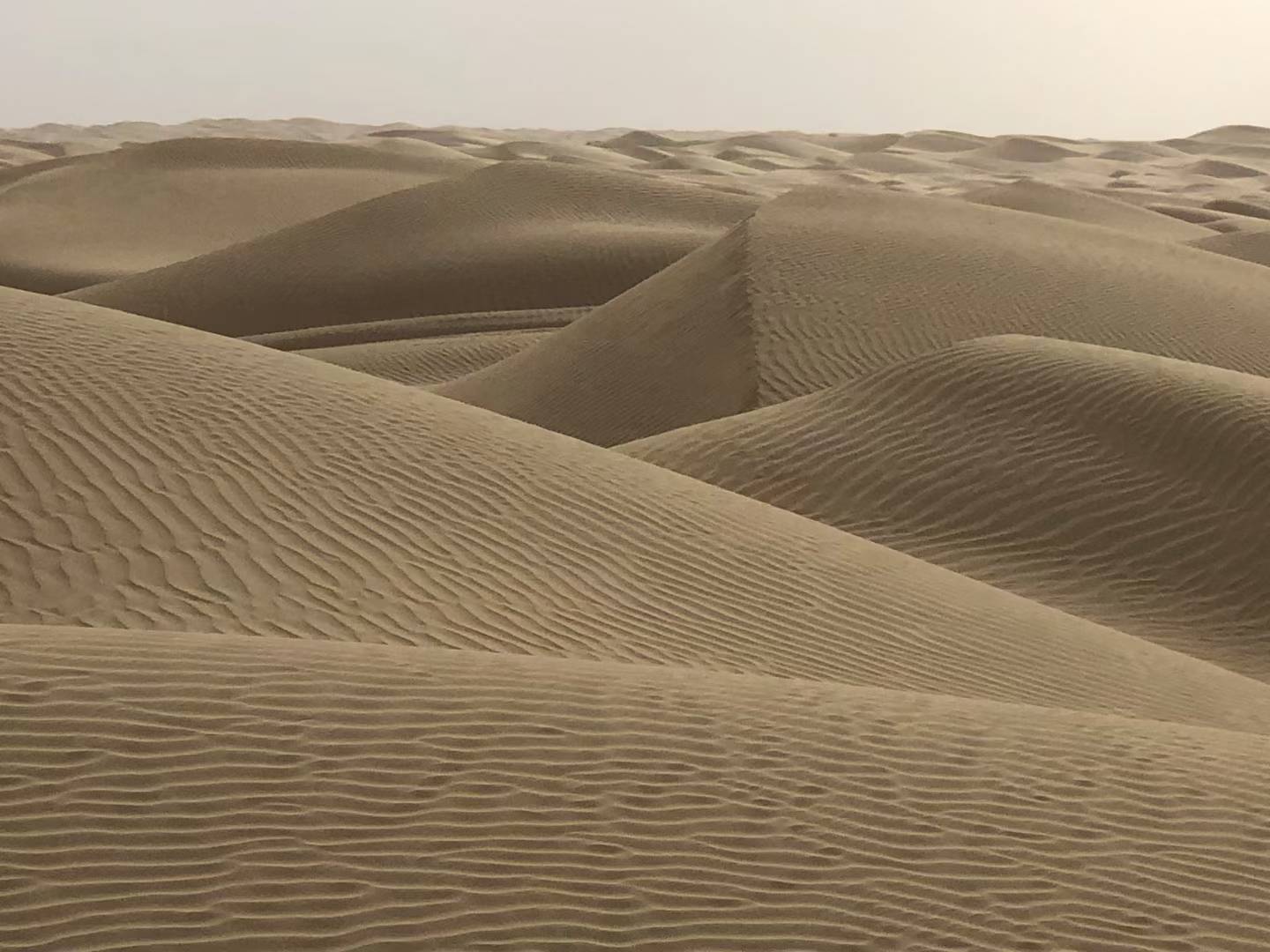
Near Dunhuang, on the edge of the Gobi Desert, archaeologists discovered a letter nearly two thousand years old.
It was not written by an emperor, a general, or a famous explorer.
It was written by a woman waiting for her husband.
When I speak about the Silk Road, people often expect stories of camel caravans, silk, spices, and great empires. But for me, this letter captures something even more powerful.
The Silk Road was not only a trade route.
It was a road of people, not merely of goods.
The woman who wrote the letter had waited year after year for a husband who never returned. Across two thousand years, her loneliness still feels familiar.
We may live in a very different world, but love, separation, disappointment, and hope have not changed very much.
That is why the Silk Road continues to fascinate me.
For almost two thousand years, it connected civilizations across Eurasia long before the Age of Exploration. Goods moved across deserts and mountains, but so did religions, technologies, artistic styles, languages, beliefs, diseases, ambitions, and dreams.
Some stories are grand.
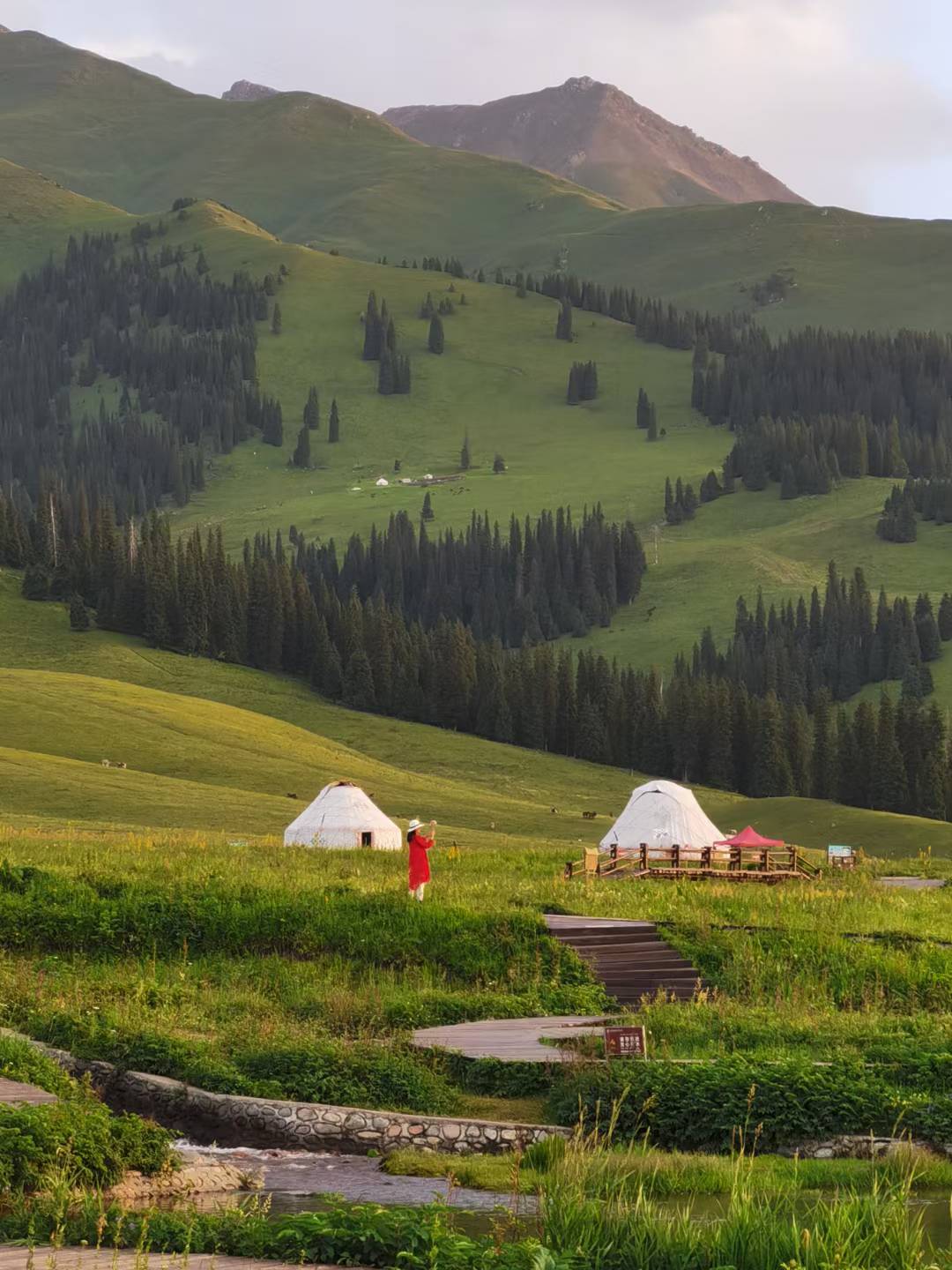
At Dunhuang’s Mogao Caves, a hidden chamber was discovered in 1900. Behind a sealed wall lay tens of thousands of manuscripts and documents, preserved for centuries. The discovery was so important that it gave rise to an entire field of study: Dunhuang Studies.
Some stories are puzzling.
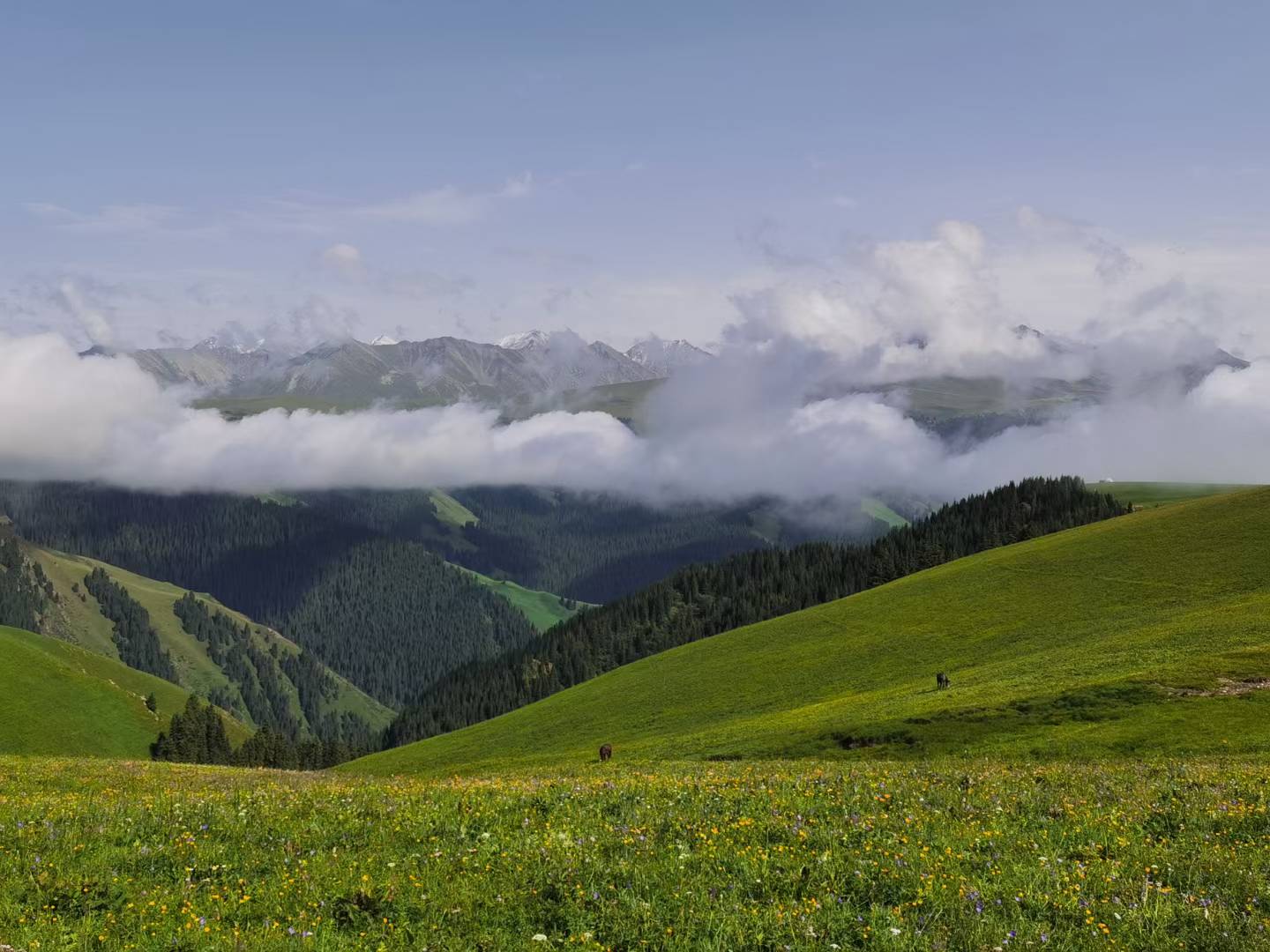
Did Marco Polo really travel to China? Historians continue to debate the question. His descriptions of Yuan China are detailed, yet Chinese records do not clearly mention him. But if he did come, he chose the perfect moment: under the Mongol Empire, much of Eurasia was connected under one political system, making long-distance travel easier than in many other periods of history.
Some stories are dramatic.
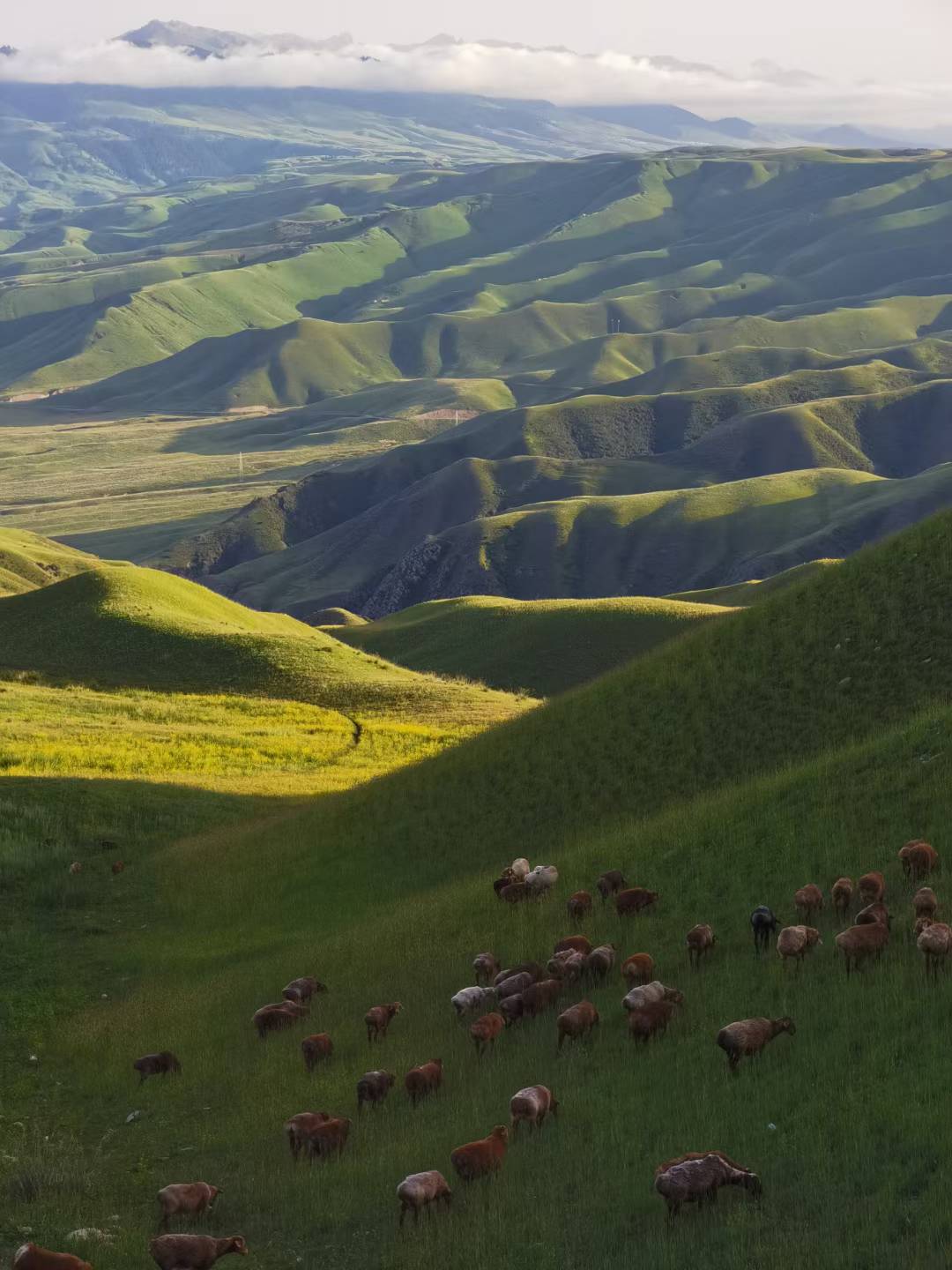
Zuo Zongtang, a sixty-four-year-old scholar-official, marched westward with a coffin reportedly carried before his army, showing his determination never to return unless his mission was completed.
Some stories are quiet but unforgettable.
Princess Jieyou of the Han Dynasty was sent more than 3,000 kilometres from home into a political marriage in the Western Regions. She entered a world of unfamiliar language, customs, and culture. Yet instead of disappearing into sadness, she adapted, built trust, and helped maintain peace through patience, intelligence, and diplomacy.
And some stories are almost funny.
In ancient tombs at Turpan, archaeologists found everyday documents: letters, contracts, tax records, and even IOUs. Apparently, unpaid debts could follow people a very long way — perhaps even into the afterlife.
These fragments remind us that history is not only made by emperors, armies, and famous travellers.
It is also made by ordinary people: women waiting, merchants bargaining, monks translating, princesses adapting, families hoping, and travellers wondering whether they would ever return home.
That is the Silk Road I most want to share.
Not just a road of silk.
Not just a road of trade.
But a road that reminds us how deeply connected human stories have always been.
Celina Chen
RealChina